
Employee Monitoring Software: Key Features, Functions, And Use Cases

Privacy, legal, and ethical considerations tied to monitoring implementations
Privacy and legal frameworks relevant to employee monitoring vary by jurisdiction and organizational context; universally, they require careful alignment between data collection practices and declared policies. Common considerations include notifying affected individuals about monitoring scope, minimizing collection to what is necessary for stated purposes, and safeguarding sensitive personal information. Organizations often consult legal advisors to interpret applicable labor and data protection laws and to design transparency measures such as written policies or regular disclosures.
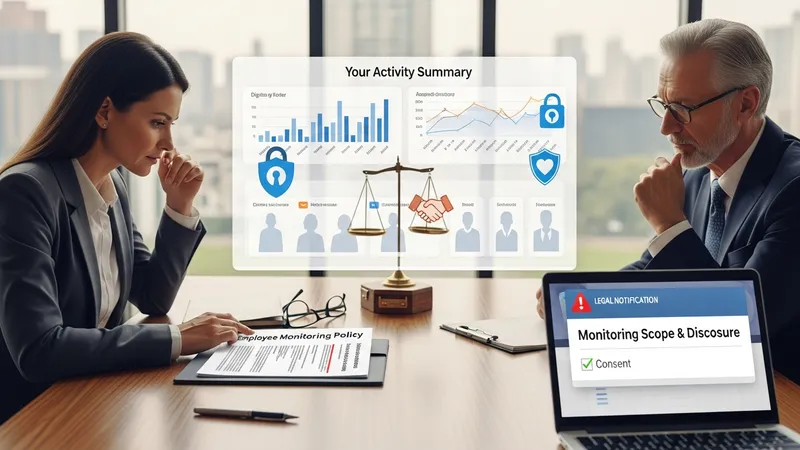
Ethical considerations extend beyond legal compliance to encompass trust and workplace culture. Monitoring that is perceived as overly intrusive may affect morale and information sharing. Many organizations choose mitigation measures such as anonymizing aggregated reports, providing employees with access to their own activity summaries, or establishing clear limits on how monitoring data may be used in performance evaluations. Such mitigations are typically described in internal policies to support fair application.
Technical safeguards that commonly accompany privacy measures include data minimization, access controls, and encryption for data in transit and at rest. Retention schedules and periodic audits of data access help reduce the risk of unnecessary exposure. It is typical for security and privacy teams to collaborate on configuration choices so that monitoring supports operational aims while limiting collateral privacy implications.
When planning monitoring programs, organizations often document selection criteria, intended use cases, and oversight mechanisms. Transparent governance frameworks may include periodic reviews of data practices, stakeholder consultations, and clear channels for employees to raise concerns. These practices can help align monitoring activities with both compliance obligations and organizational values, supporting more sustainable operational use of monitoring technologies.