
Productivity Software: Key Features And Common Use Cases For Work And Study

Productivity Software: Integration, Automation, and Synchronization
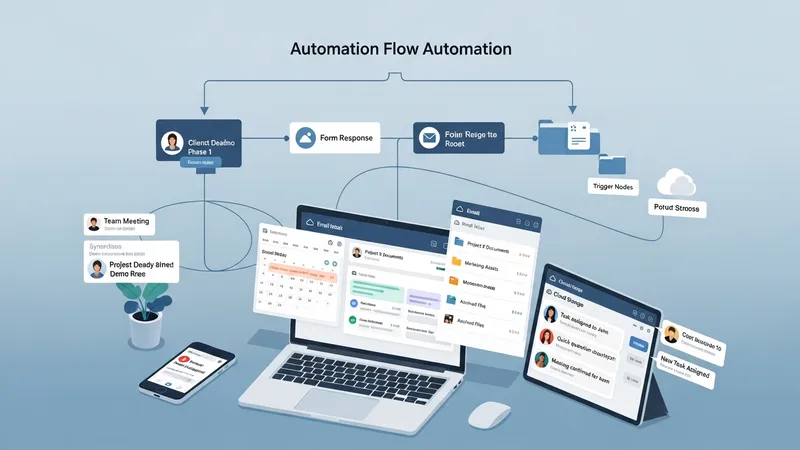
Integration capability is a common requirement for modern productivity ecosystems. Tools that connect with email, calendar providers, cloud storage, and communication platforms may reduce repetitive work and keep information aligned across systems. Automation features often include rules that move items, update status fields, or send notifications based on triggers. Synchronization across devices ensures consistent access and state, which is particularly relevant for users who switch between desktop, mobile, and web clients.
Automation can simplify repetitive workflows such as recurring tasks, onboarding checklists, or routine report generation. Typical automations may include creating a task from a form response, assigning reviewers when a document reaches a stage, or archiving completed items after a period. While automation can reduce manual steps, it may introduce maintenance overhead if business processes change. Organizations frequently pilot automations on a limited scope before scaling to broader use to manage complexity.
Data synchronization relies on cloud services or background sync mechanisms in client apps. Cloud-hosted platforms often provide near-real-time synchronization that keeps collaborators aligned, while offline-capable apps queue changes until connectivity returns. Considerations around data residency, export options, and open formats may affect long-term access and migration planning. Users typically evaluate whether a vendor’s synchronization methods and data export facilities meet their archival or compliance needs.
Interoperability is often assessed through available connectors, standard protocols, and API documentation. When selecting tools, stakeholders may map common workflows and identify which integrations reduce manual handoffs. A pragmatic approach is to prioritize a small number of high-value integrations that cover core processes, rather than attempting to integrate every system at once. This measured approach tends to lower friction and provides clearer returns on integration effort.