
Understanding Serviced Apartments: Key Differences From Hotels And Traditional Rentals

Serviced Apartments: Suitability for short- and long-term stays and decision factors
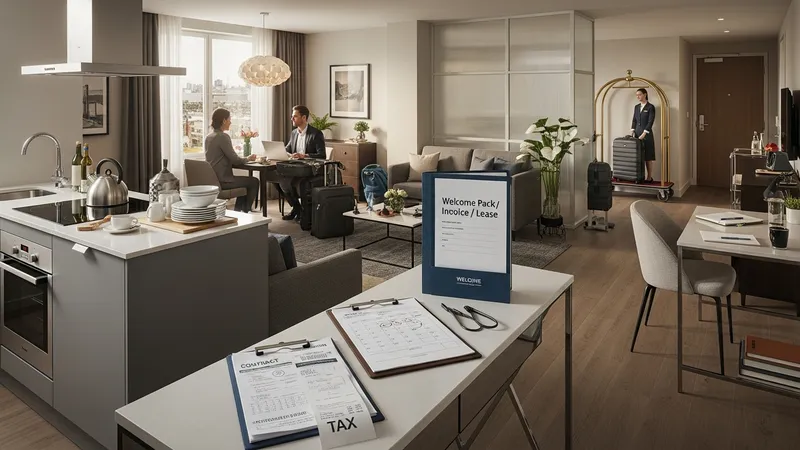
Serviced apartments may be suited to occupants needing more domestic facilities than a hotel provides—especially kitchens and separate living areas—while retaining shorter commitments than a standard lease. For short business trips, aparthotels with reception services can offer convenience similar to hotels; for medium to long stays, corporate housing and branded serviced apartments may provide kitchen facilities and a more homelike environment. Decision factors commonly include intended length of stay, requirement for workspace, family or team size, and whether bundled services such as utilities and cleaning are preferred for administrative simplicity.
Regulatory and contractual aspects should inform selection. In some jurisdictions, short-term letting rules differ from long-term tenancy laws and can affect registration requirements, occupancy limits, and tax treatment. Occupants staying for months may want clarity on notice periods and deposit handling to avoid unexpected obligations. For business arrangements, invoice and billing formats, eligibility for corporate rates, and liability terms for damage or extra guests are practical considerations that may influence whether a serviced apartment or another accommodation type better matches the occupancy profile.
Operational practicalities also matter: reliable internet speeds, kitchen functionality, laundry access, and maintenance responsiveness often determine daily comfort during extended stays. Where remote work is expected, confirm workspace ergonomics and connectivity service levels. For families or groups, storage, multiple bathrooms, and proximity to schools or transport can be decisive. Considering these practical elements alongside pricing and contract terms typically gives a clearer picture of fit than relying on headline descriptors alone.
In closing, choosing between a serviced apartment, a hotel, or a traditional rental commonly involves weighing space and amenities against service inclusion and contract flexibility. Serviced apartments can bridge some gaps between hospitality and residential models, but offerings vary widely by operator and location. Reviewing inventory lists, service schedules, billing inclusions, and regulatory treatment can aid in identifying the accommodation type that aligns with occupancy needs and administrative constraints for the intended duration of stay.