
Virtual Assistant Jobs: Exploring Part-Time, Full-Time, And Project-Based Opportunities

Communication tools, platforms, and remote work practices
Remote roles typically rely on a combination of synchronous and asynchronous communication tools. Videoconferencing and instant messaging enable real-time collaboration, while email and shared documents support asynchronous workflows. Project-management platforms are often used to assign, track, and prioritise tasks across multiple engagements. Choice of tools commonly depends on client preferences, the need for version control, and the scale of coordination required. Familiarity with a few commonly used platforms may streamline onboarding into different environments.
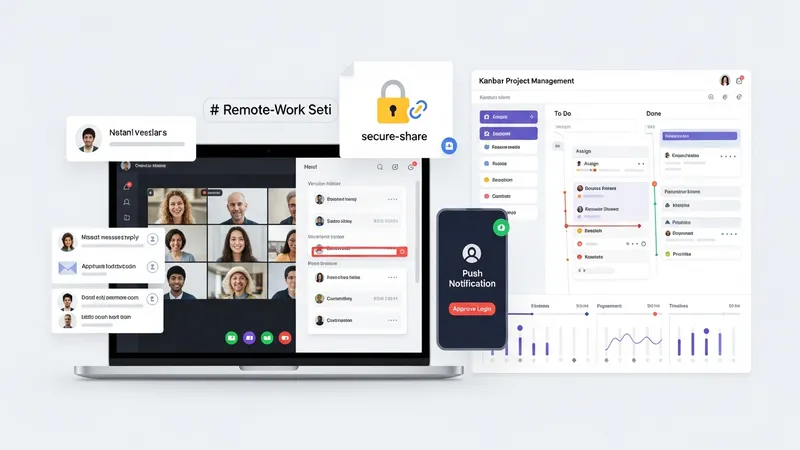
File security and data handling practices are frequently addressed in engagement terms. Simple measures such as using secure file-sharing links, two-factor authentication, and role-based access can reduce risk when handling sensitive information. Clients and remote workers often agree on document retention policies and backup routines to maintain continuity. These practices are typically framed as considerations for responsible remote work rather than prescriptive mandates, and they may evolve with organisational policies and tool capabilities.
Time-tracking and productivity practices may vary by arrangement. Some engagements specify hourly tracking for invoicing and scope verification, while project-based work might use milestone approvals and deliverable sign-offs. Workers sometimes adopt consistent logging of hours and task summaries to support transparency and reconcile expectations with clients. Such documentation can also serve as a basis for periodic reviews or to inform adjustments in scope and scheduling.
Onboarding processes and standard operating procedures (SOPs) are often beneficial in multi-task or multi-client setups. SOPs may include step-by-step guides, templates, and standard reply formats that facilitate consistency and reduce repetitive decision-making. When used, these resources can help maintain service quality across different engagements and make it easier for others to review or continue work if needed. The final page discusses scheduling flexibility and professional development considerations.