
Lathe Machine: Guide To Turning Operations, Tools, And Cutting Parameters

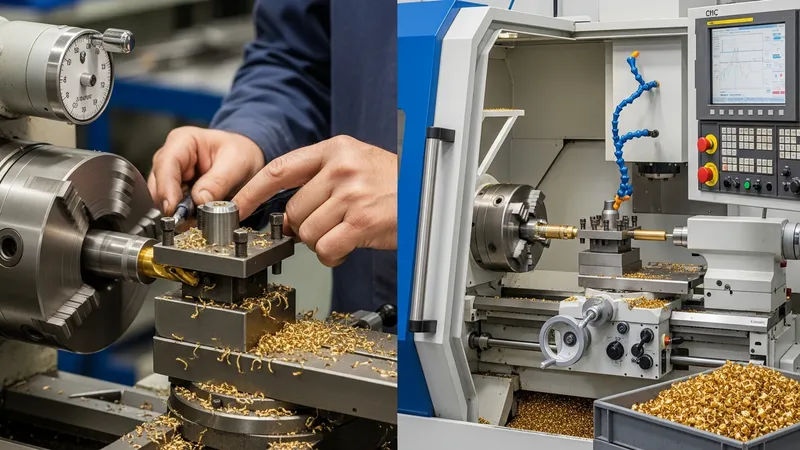
Lathe Machine: Turning Operations and Cutting Parameter Interactions
Turning operations such as straight turning, facing, boring, grooving, and parting rely on selecting appropriate cutting parameters that interact with material properties and machine capability. Spindle speed typically relates to cutting speed (surface feet or meters per minute) and may be constrained by tool material limits and heat generation. Feed rate influences surface finish and chip thickness; higher feeds generally increase roughness but can improve material removal rate. Depth of cut controls the volume removed per pass and directly impacts cutting forces and required spindle torque.
On conventional engine lathes, operators may start with conservative feeds and speeds and adjust based on tool wear and surface condition. CNC lathes often allow parameter tables in the control to vary feed and speed automatically for different tool paths; adaptive controls may modulate parameters in response to sensed loads. Turret lathes, used in repeated sequences, may keep parameters constant across cycles to maintain rhythm, but operators typically monitor for signs of tool fatigue or thermal drift that can indicate the need for parameter adjustment.
Cutting fluids and chip control methods interact with parameters and tool geometry. Effective coolant application can reduce cutting temperature and extend insert life in higher-speed operations, and chip breakers on inserts can improve evacuation in long-chipping materials. For each lathe type, planning for chip management—tray design, coolant flow, and guard placement—may reduce downtime and improve operator safety. These considerations often form part of initial process documentation and ongoing monitoring.
Monitoring and measurement provide feedback to refine parameter selection. Surface finish measurements, dimensional checks, and tool wear assessments may inform incremental adjustments. In production runs on CNC and turret lathes, statistical process control charts and tool life logs may typically be used to schedule insert changes before dimensional drift occurs. Such practices help stabilize process outputs across batches without relying solely on operator judgement.