
Lifting Equipment: Understanding Cranes, Hoists, Slings, And Accessories

Equipment classification, selection considerations, and common industrial applications
Classification systems for lifting equipment often separate units by rated capacity, mobility, mounting arrangement, and service class. For example, cranes may be classified as fixed overhead, gantry, tower, or mobile, each category aligning with different site and duty requirements. Hoists can be classified by lifting medium (wire rope, chain, synthetic) and drive type (manual, electric, pneumatic). Sling classification commonly denotes material, configuration, and rated working loads for standard hitch arrangements.
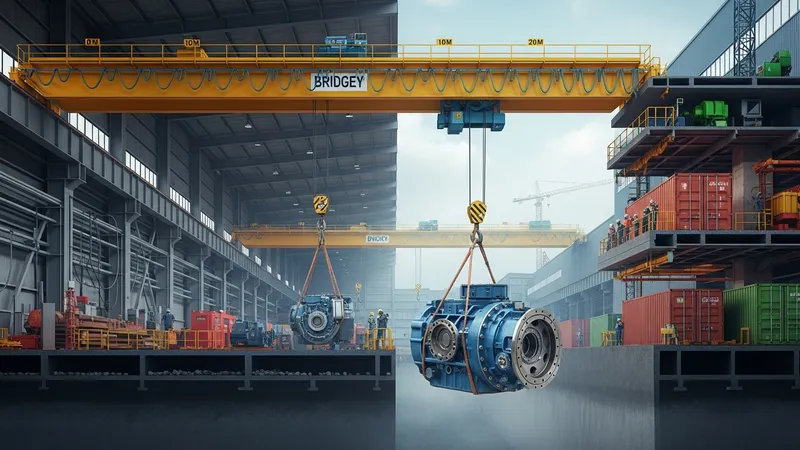
Selection considerations typically include anticipated loads, lift frequency, space constraints, and environmental factors. Load weight and geometry determine capacity and attachment type while duty cycle influences service class and sizing. Space limitations such as low headroom, runway lengths, or ground-bearing capacities may lead to alternate configurations like underhung cranes or portable gantries. Environmental concerns—such as dust, moisture, or heat—can influence material choices for slings and the need for protective coatings or special lubrication.
Common industrial applications vary: manufacturing plants often use overhead cranes and hoists for repetitive assembly and material transfer; construction sites typically employ mobile cranes and tower cranes for placing structural elements; warehousing and logistics environments may use smaller hoists and mobile lifting devices for pallet-handling and order assembly. Each application profile may emphasize different priorities, such as speed and repeatability in manufacturing versus reach and capacity in construction.
Practical considerations for matching equipment to application include verifying rated charts under expected configurations, assessing alignment between duty cycle and service classification, and planning for inspection and maintenance access. Cost of ownership considerations may include lifecycle maintenance, spare parts availability, and anticipated replacement intervals; these are typically evaluated alongside operational needs to inform procurement and asset-management decisions.