
Lifting Equipment: Understanding Cranes, Hoists, Slings, And Accessories

Inspection practices, maintenance, and safety standards for lifting equipment
Inspection routines commonly combine pre-use visual checks with scheduled detailed inspections. Pre-use checks typically look for obvious defects such as frayed wire rope, melted or cut synthetic sling fibers, bent hooks, or missing safety latches. Detailed periodic inspections may include measurement of elongation, detection of fatigue cracks, verification of load chain wear, and functional testing of brakes and limit switches. Records of inspections and any corrective actions may be retained to track component history and determine retirement criteria.
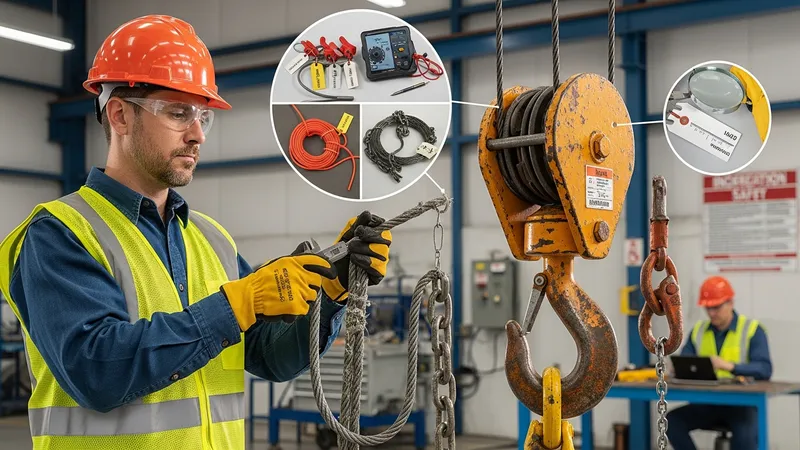
Maintenance practices often follow manufacturer guidance and may include lubrication, torque checks on critical fasteners, and replacement of wear items such as ropes and chains after measured degradation. For hoists and cranes, bearing and gearbox servicing, electrical inspection, and alignment checks are typical. Maintenance intervals can vary with frequency of use and environmental factors; systems used in harsher conditions may require shorter service intervals to maintain reliability.
Regulatory and standards frameworks may set minimum inspection intervals, marking requirements, and operator qualification expectations in many jurisdictions. Industry codes may also define safe working load markings, proof load testing procedures, and requirements for certified repairs. While specific rules vary regionally, relying on recognized standards and adopting manufacturer recommendations can support a consistent safety approach.
Insider considerations for operational safety include documenting lift plans for non-routine or complex lifts, ensuring clear communication protocols among signalers and operators, and using exclusion zones to limit exposure of personnel during a lift. Training in recognition of sling damage, correct hitching methods, and awareness of dynamic effects may reduce incidents. These items are typically framed as risk-reduction measures rather than absolute guarantees of safety.