
Microsoft SSPM: Overview Of SaaS Security Posture Management Concepts

Microsoft SSPM: Visibility and configuration assessment
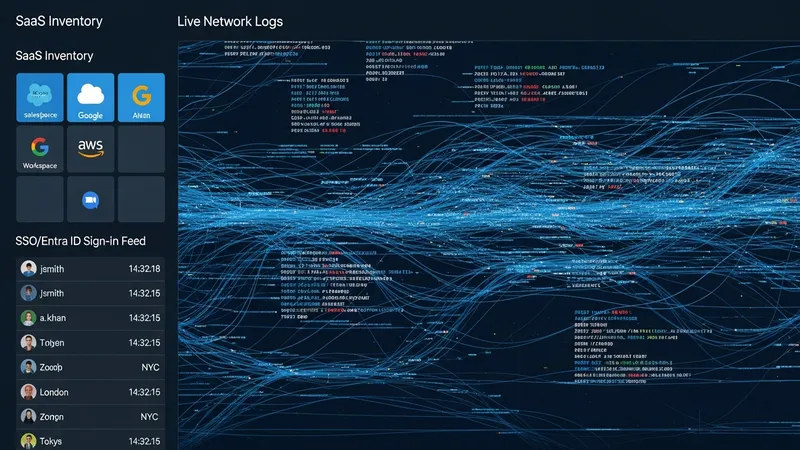
Visibility is a foundational element in SaaS security posture management and typically begins with inventorying applications in use. Discovery may combine network logs, single sign-on catalogs, and endpoint telemetry to identify sanctioned and unsanctioned apps. Configuration assessment then compares discovered settings to a baseline: examples include external sharing settings, data export options, and enabled integrations. In Microsoft-centered environments, defenders often combine Entra ID sign-in data with application-specific API responses to build a more complete inventory. Visibility limitations should be tracked, since some SaaS platforms expose limited configuration data via APIs, which affects the completeness of assessments.
Configurations that commonly warrant attention include permission settings, sharing policies, and audit-log retention. Scanners can flag deviations from organizational baselines such as public data sharing or overly permissive API tokens. For each finding, tools may capture contextual metadata—who changed the setting, when, and from which IP—so that investigators can assess intent and impact. Many organizations treat historical configuration changes as part of the posture narrative, using change logs to determine whether a risky setting is an intentional exception or a drift that requires correction.
Connector coverage and update cadence are practical considerations when relying on automated assessments. Some SaaS vendors change API endpoints or introduce new settings that posture tools must adapt to in order to remain accurate. Organizations often evaluate how frequently a tool refreshes its connectors and whether it can scope scans to priority apps. Scanning cadence and coverage choices can influence the timeliness of findings: tighter cadence may surface issues sooner but also requires more operational handling of alerts.
Visibility data often feeds into dashboards and reporting that inform different stakeholders. Security operations teams may require near-real-time alerts for severe exposures, while governance or audit teams may need periodic summary reports that map controls to policies. Effective posture management systems therefore allow role-based views and exportable artifacts so that each audience receives relevant information. Clear labeling of data sources and confidence levels can help consumers interpret findings without over-relying on any single automated signal.