
Microsoft SSPM: Overview Of SaaS Security Posture Management Concepts

Microsoft SSPM: Identity and access management
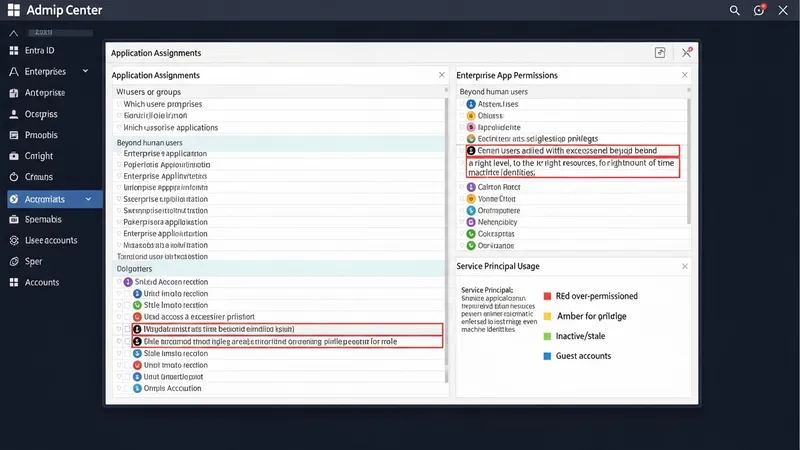
Identity and access controls represent a frequent focus within SaaS posture efforts because many exposures arise from excessive privileges or stale accounts. Typical features in this area include access reviews, entitlement inventories, and role change tracking. In Microsoft environments, Entra ID artifacts—such as application assignments, enterprise app permissions, and service principal usage—are frequently analyzed to identify over-permissioned principals. Organizations often pair automated detection of risky access with periodic human review to balance automation with contextual judgment when revoking or adjusting entitlements.
Access review workflows often include scoped review periods and attestations by application owners or business managers. Automated tools may recommend candidates for review—such as inactive users with high privileges or guests with broad access—but the final attestation is usually performed by an appointed reviewer. In practice, organizations commonly set review frequency based on sensitivity: higher-risk applications may be reviewed quarterly, while lower-risk services may follow an annual cadence. Documentation of decisions during reviews is valuable for compliance and for future risk assessments.
Service accounts and API credentials require separate consideration because they often bypass interactive controls. Posture tools may track service principal permissions, recent usage patterns, and whether credentials are near expiry. Rotating credentials and enforcing least privilege for service principals are considered risk-reducing practices, and posture tooling can surface instances where service accounts have broader access than operationally necessary. These observations are typically presented as findings requiring validation rather than definitive proof of compromise.
Guest and external collaboration settings are another recurring area for identity-focused posture checks. Defaults for sharing or guest access can expose data unintentionally if not tuned to organizational policy. Posture assessments may flag broad guest access, externally shared folders, or applications that allow anonymous links. Organizations often treat these flags as input to a remediation workflow that involves business owners and security teams to determine whether tightening access aligns with operational needs.