
SaaS Security Posture Management: How It Helps Organizations Monitor And Reduce SaaS Risk

Monitoring and continuous visibility for SaaS security posture
Continuous visibility focuses on collecting telemetry from application APIs, activity logs, and integration endpoints to form a near-real-time picture of configuration and usage. Many organizations find that automated connectors reduce the manual effort needed to inventory applications and integrations. Common patterns include ingesting audit logs where available, using API-based configuration snapshots, and watching for high-risk events such as mass file downloads or sudden OAuth consent grants. Consideration: filter and tune collected data to reduce noisy alerts and align monitoring outputs with the team’s operational capacity.
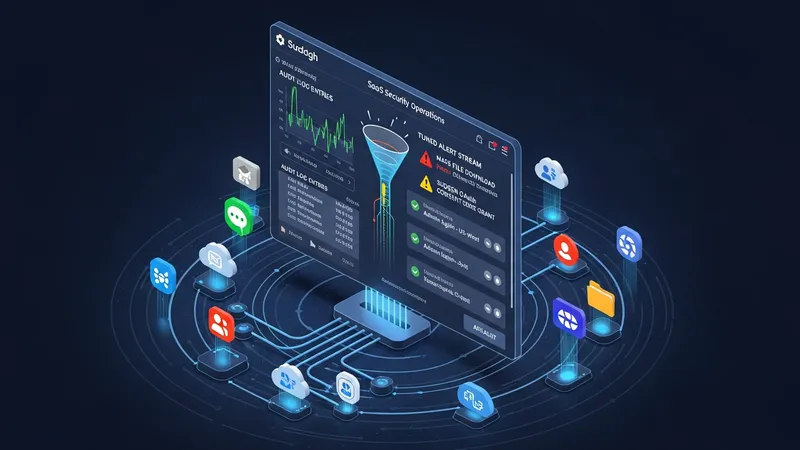
Practical considerations for implementing monitoring often include prioritizing high-value applications and establishing baseline sampling frequencies. For larger estates, teams may begin with the most critical collaboration and identity platforms, then expand coverage. Monitoring outputs can be integrated with existing security information and event management (SIEM) systems or presented in a dedicated posture dashboard. Analysts typically tune detection rules over time to reduce false positives; this tuning may involve whitelisting expected administrative actions or contextualizing alerts with user role information.
Many published surveys and incident reviews indicate that a notable share of cloud-related incidents involves misconfigurations or credential misuse. While exact figures vary by study, typical guidance is to assume configuration drift will occur unless actively monitored. Organizations often adopt a model where alerts about sensitive changes — such as permission escalations on shared resources — trigger an automated evaluation of potential impact, which can then be escalated to a human reviewer when the risk exceeds predefined thresholds.
Insider considerations include building access controls around monitoring outputs: limit who can view or modify detection rules, and ensure that monitoring agents or API credentials themselves are placed under governance. It is often useful to document expected change windows and to coordinate with platform owners so that legitimate administrative activities are understood by security reviewers. These coordination steps can reduce friction and help ensure monitoring yields actionable insights rather than noise.