
SSPM Solutions: Managing SaaS Misconfigurations, Access Controls, And Data Exposure

Data exposure monitoring and classification in SaaS platforms
Data exposure monitoring combines signal collection with classification to identify where sensitive information may be at risk. Signals include publicly shared links, permissive API tokens, misconfigured storage, and third-party app permissions. Classification may use metadata, file labeling, or content inspection to determine sensitivity. By tagging data assets, teams can prioritize monitoring and remediation — for example, applying tighter sharing restrictions and more frequent scans to high-sensitivity categories. Privacy and legal constraints may affect how deep content inspection can go, so organizations should align monitoring with applicable policies and regulations.
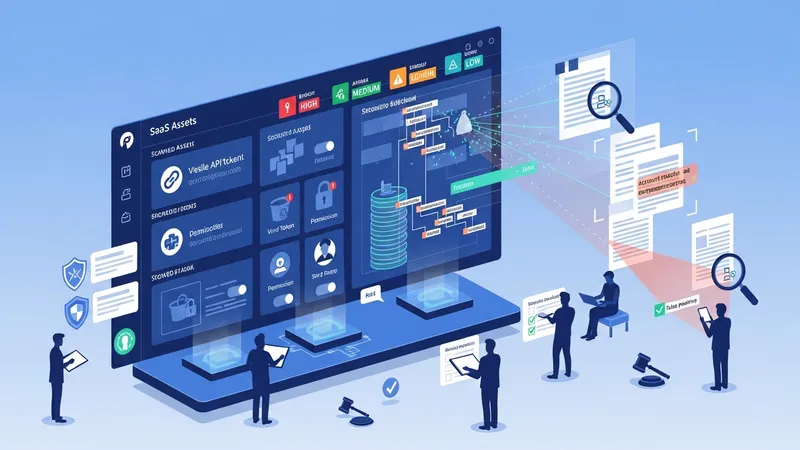
Techniques for detecting exposure vary by platform and data type. For structured data in SaaS databases, schema analysis and field-level sensitivity tagging can help. For unstructured content such as documents, pattern matching and machine learning models often assist in locating potential sensitive fields like account identifiers or payment-related strings. False positives are a common issue with content scanning, so many programs incorporate sampling and manual validation to refine detection rules and reduce noise.
Monitoring should also consider data movement via integrations and API access. Third-party connectors that copy or sync data to external services can create exposure paths that are not visible through standard sharing controls. Logging API client IDs and reviewing third-party integration scopes can reveal where data leaves the primary SaaS environment. Periodic reviews of connected applications and their granted scopes may uncover stale or over-privileged integrations.
Remediation options for detected exposures typically range from adjusting sharing settings to revoking third-party access and rotating exposed credentials. Organizations may implement staged containment: disable public links, revoke connectors, then perform deeper audits if sensitive content is confirmed. Tracking the lineage of exposed data — when it was created, who accessed it, and where it was shared — can support incident response and compliance reporting. These lineage traces often rely on consistent metadata capture at creation time.