
SSPM Solutions: Managing SaaS Misconfigurations, Access Controls, And Data Exposure

Policy enforcement, risk visibility, and continuous monitoring for SaaS risks
Policy enforcement tools translate organizational rules into automated checks and actions. Policies can be rule-based (e.g., disallow public sharing on storage) or risk-based (e.g., escalate when high-sensitivity data is both shared externally and accessed by new devices). Enforcement may occur at discovery time, during configuration drift detection, or through conditional access gates. Organizations often combine preventive blocks for high-risk conditions with detective controls that notify teams for lower-risk deviations. Clear documentation of policy intent and expected outcomes helps align technical enforcement with business needs.
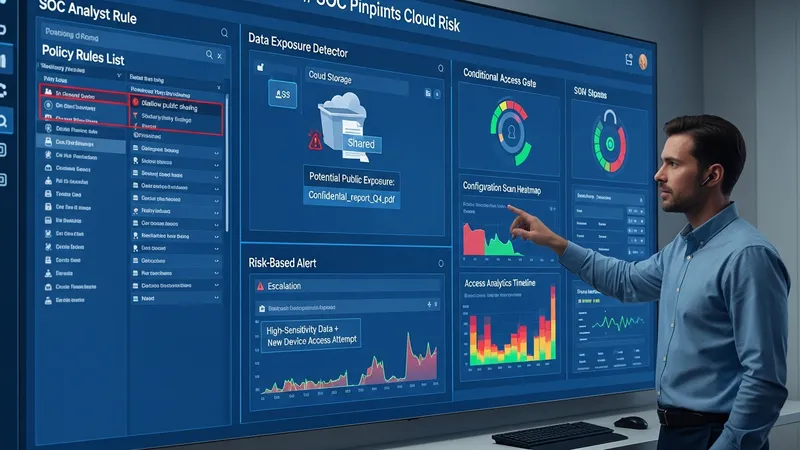
Risk visibility combines findings from configuration scans, access analytics, and data exposure detection into dashboards and reports that can be consumed by security, compliance, and application owners. Effective visibility typically includes contextual details such as user identity, device posture, time of change, and associated risk scores. This context can help decision-makers prioritize actions and understand whether observed issues are transient or systemic. Periodic reporting on trends may indicate whether control adjustments lead to measurable posture improvements.
Continuous monitoring aims to maintain an up-to-date picture of SaaS risk as applications and user behavior change. Continuous approaches may integrate event streams, such as audit logs and activity events, with scheduled posture assessments. Organizations that monitor continuously can detect rapid shifts in exposure following configuration changes or third-party integration additions. Planning for scale is important, as large application portfolios can generate high event volumes; filtering and enrichment help focus attention on meaningful signals.
Operational considerations include integration complexity, alert fatigue, and the governance model for handling findings. Teams often define service levels for triage and remediation based on asset sensitivity and business impact. Cross-team coordination between cloud operations, identity teams, and application owners can reduce friction when enforcing policies or correcting misconfigurations. Ongoing tuning and retrospective reviews help align monitoring and enforcement with evolving application architectures and threat patterns.