
Understanding Serviced Apartments: Key Differences From Hotels And Traditional Rentals

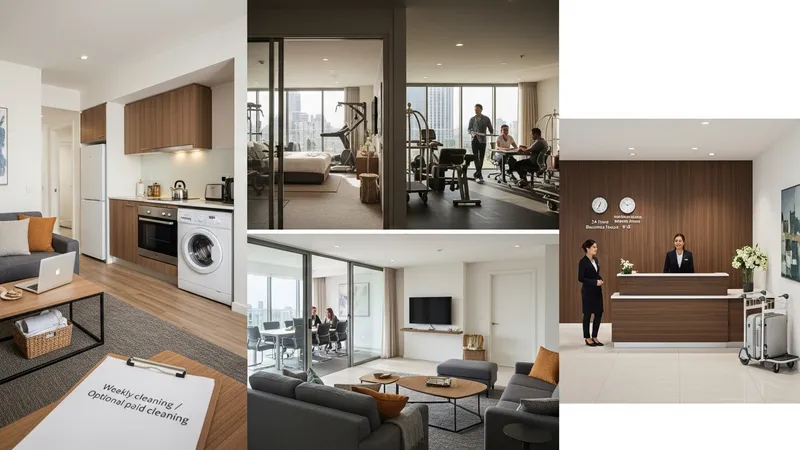
Serviced Apartments: Amenities, services, and housekeeping differences
Serviced apartments commonly offer a different mix of amenities compared with hotels. In-unit kitchens, laundry facilities, and larger living spaces are typical; on-site amenities may include fitness rooms, communal lounges, or meeting areas. Hospitality-style services such as reception desks, concierge, or daily housekeeping are present in some aparthotel models but may be limited or scheduled in other serviced-apartment types. Understanding which services are included—cleaning frequency, linen changes, maintenance response times—helps to compare options on a like-for-like basis.
Housekeeping practices often follow a set schedule, such as weekly cleaning, with more frequent cleaning offered as an additional service. Hotels commonly provide daily room service as standard; by contrast, serviced apartments may reduce daily intrusion by design and substitute it with self-service laundry or optional paid cleaning. Maintenance and emergency contact procedures may also differ: larger branded operators frequently maintain 24-hour support, while smaller operators may operate on business-hour schedules. These operational differences can affect perceived convenience, privacy, and overall running costs during a stay.
Communal amenities can influence the choice between serviced apartments and hotels. Properties that include shared workspaces, meeting rooms, or business centres may better support extended stays with professional needs. The availability and quality of building-level services—secure access, parcel handling, and parking—can vary considerably and should be confirmed beforehand. Where service levels are critical, occupants may prioritise properties with documented service standards or clearer escalation channels for issues, noting that these features typically correlate with higher management overhead and pricing.
Providers may also differ in hospitality protocols such as check-in flexibility and guest registration. Aparthotels often mirror hotel front-desk procedures with fixed check-in times, whereas serviced apartments intended for monthly occupancy may allow more flexible move-in arrangements. For longer stays, confirm how utilities, internet installation, and waste collection are handled, as these operational details can affect daily living. Considering housekeeping frequency, front-desk availability, and communal amenity access as part of total cost and convenience can guide a more informed selection.