
Understanding Serviced Apartments: Key Differences From Hotels And Traditional Rentals

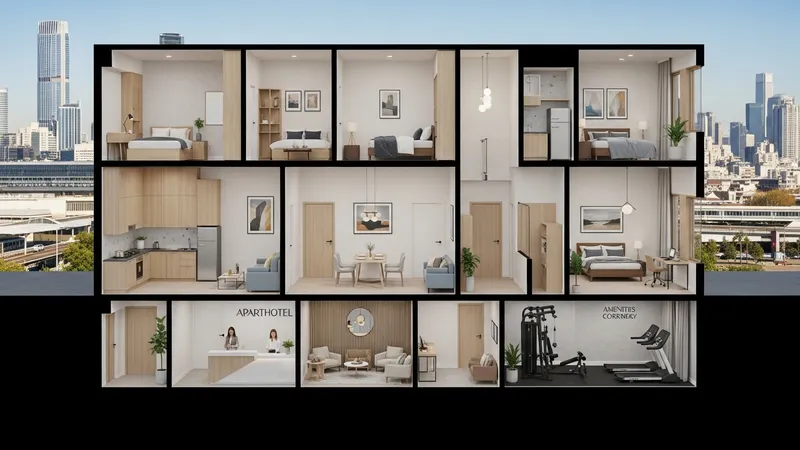
Serviced Apartments: Types and unit configurations
Unit configurations in serviced apartments typically include studio, one-bedroom, and multi-bedroom layouts with fully or partially equipped kitchens. Aparthotels often present compact studio units alongside larger apartments with separate living and sleeping areas, while corporate housing commonly focuses on one- to three-bedroom units intended for monthly occupancy. Furnishing standards may vary from basic essential furniture to more fully appointed interiors; inventory lists often document items such as kitchenware, bedding, and basic appliances. When comparing types, consider how room layout, storage, and dedicated workspace align with intended use, such as extended business stays or family relocation.
Some operators provide flexible combinations of private and shared facilities: private apartments with access to communal amenities (gym, lounge, laundry) are common. Aparthotels may centralise services like breakfast or a reception desk, whereas independently managed serviced apartments may rely on third-party service providers for cleaning or maintenance. The distribution of space, presence of a separate kitchen, and availability of a work area can influence suitability for remote work. In urban markets, unit sizes may be smaller but strategically located near transport and business districts, affecting convenience for short- and medium-term occupancies.
Typical inventory and condition checks are important considerations for occupants. Many operators supply an inventory list at check-in or move-in to record furnishings and appliance condition; this can be relevant for deposit handling and damage assessments. For longer stays, the durability and adequacy of kitchen equipment, laundry access, and storage can materially affect comfort. Operators may offer optional upgrades—additional linens or cookware—on an a la carte basis, and clarity on what is included reduces ambiguity during occupancy.
Usage patterns across global urban centres often show varied demand by unit type: studios and one-bedroom units may be more commonly booked for short business trips, while multi-bedroom apartments are often used by relocating families or teams. Industry reports frequently indicate a rise in demand for accommodation that supports remote work, which can affect unit design preferences such as reliable internet and dedicated desks. These patterns suggest occupants should match unit configuration to intended daily routines, not only sleeping arrangements, before committing to a stay.