
Microsoft SSPM: Overview Of SaaS Security Posture Management Concepts

Microsoft SSPM: Compliance monitoring and policy enforcement
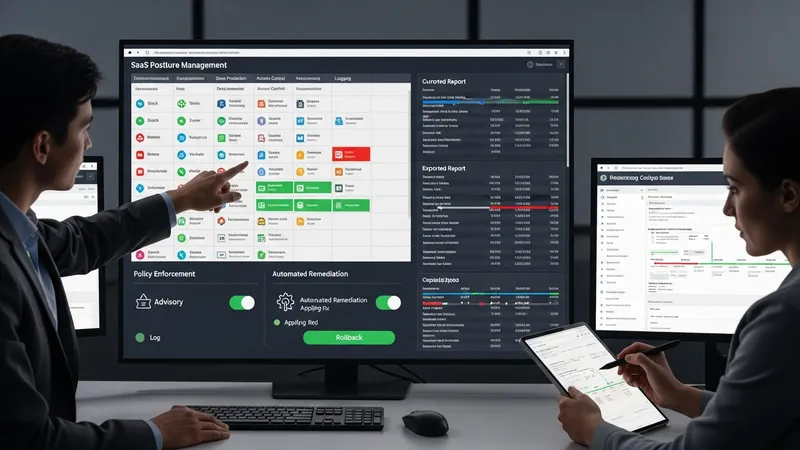
Mapping SaaS configuration states to compliance requirements is a common function of posture management. Tools may provide templates or frameworks that align findings with control sets such as data protection, access control, and logging requirements. In many environments, compliance teams use these mappings to gather evidence for audits by exporting reports that show current settings and historical changes. It is important to treat automated mappings as advisory: compliance determinations usually involve human review and consideration of compensating controls and business context.
Policy enforcement options range from advisory alerts to automated remediation, depending on organizational risk tolerance and technical capability. Advisory modes typically generate tickets or alerts for manual review, while automated enforcement may apply configured fixes such as disabling risky integrations or adjusting sharing settings. Organizations often pilot automated remediation for low-risk, high-frequency issues and reserve manual handling for complex or high-impact changes. Policy enforcement should be instrumented with logging and rollback plans to reduce operational surprises.
Retention and evidence collection are practical aspects of compliance monitoring. Adequate logging and retention windows help demonstrate the historical state of settings and user activity. SaaS posture tools often aggregate activity logs and configuration snapshots so auditors can trace the timeline of a finding. Retention choices are governed by internal policy and regulatory requirements; organizations frequently document their retention rationale and ensure that evidence exports are reproducible and tamper-evident where necessary for audit integrity.
Reporting and stakeholder alignment are essential to ensure compliance findings are actionable. Security teams, application owners, and compliance officers may require different report formats and frequencies. Posture tools that support role-based reporting and customizable dashboards can streamline communication across these groups. Regular review cycles that reconcile posture findings with policy exceptions help maintain alignment between operational realities and documented controls.