
Privileged Account Management Software: How It Supports Access Security And Compliance

Privileged account management software: policy enforcement and audit considerations
Policy engines in such software allow definitions of who may request access, under what conditions, and for how long. Policies can include approval chains, risk‑based factors, and required authentication strength. Audit logs typically record policy decisions, credential issuance events, and session metadata. When mapped to organizational control frameworks, these records can serve as demonstrable evidence during internal or external audits.
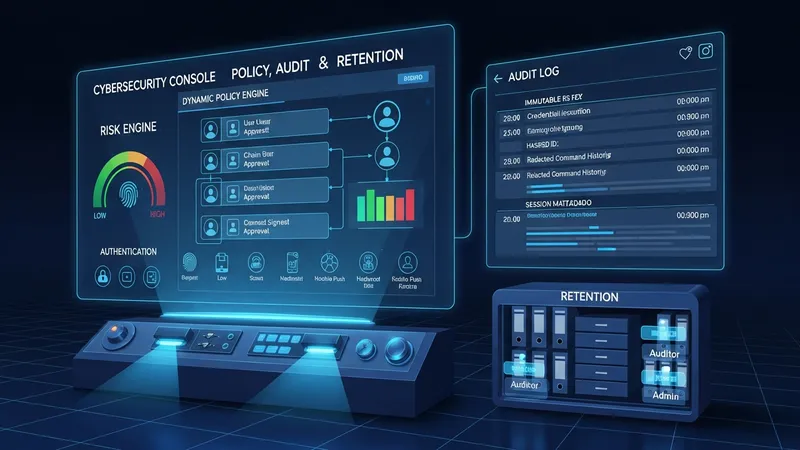
Retention and access to audit data are compliance considerations that vary by jurisdiction and industry. Retention periods may be influenced by regulatory requirements or internal risk assessments; logs often need to be protected with similar controls to those applied to credentials. Access to audit data should be restricted to authorized roles to preserve integrity of evidence and to limit exposure of sensitive command histories.
Segregation of duties is a common policy objective tied to privileged access: approvals and access reviewers are typically separated from those who perform privileged actions. Automated enforcement can help reduce violations, yet organizations may need to define exception workflows for emergency scenarios. Such exception processes should themselves be logged and subject to retrospective review to maintain auditability.
Evidence quality often depends on consistent naming, tagging, and inventory management. When accounts and resources are inventoried and labeled, policy application and audit correlation become more straightforward. Considerations for implementation include establishing a clear account taxonomy, assigning responsibility for review cycles, and documenting mapping between policies and compliance requirements.