
SaaS Security Posture Management: Core Capabilities And Security Controls Explained

Core capabilities for SaaS posture monitoring and configuration control
Configuration discovery is a foundational capability that typically enumerates connected applications, tenant settings, installed integrations, and permission assignments. Automated connectors to provider APIs are often used to retrieve structured configuration data, which is then normalized so that disparate platforms can be compared against common baselines. Normalization may include mapping different role terminologies to a unified model and translating vendor-specific settings into security-relevant categories such as sharing, authentication, and logging. This capability may help teams identify where differing vendor defaults could introduce risk across a multi-vendor SaaS estate.
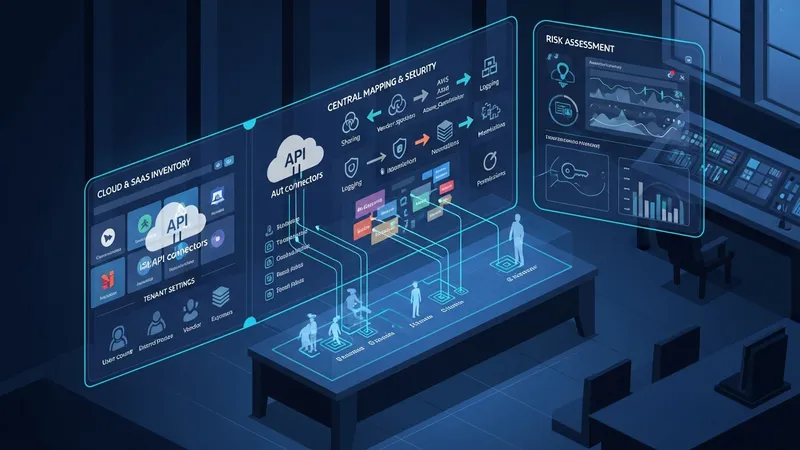
Risk assessment workflows convert discovered configuration and identity data into prioritized items for remediation. Scoring models often weigh factors such as the sensitivity of accessible data, the scope of exposure (number of users or external parties), and the presence of compensating controls like MFA or logging. Many organizations adopt tiered severity categories to align with incident response processes and to support resource planning. Risk assessments may be adjusted over time based on operational experience, emerging threat patterns, and audit findings to better reflect organizational risk tolerance.
Policy enforcement components translate organizational control statements into executable checks and, in some implementations, automated enforcement actions. Checks might include verifying that external sharing defaults are restricted or that administrative roles require specific approvals. Enforcement can be advisory—generating tickets and recommendations—or prescriptive where automated changes are applied under defined guardrails. Careful change-control practices are typically used when automated enforcement is enabled to avoid disrupting business workflows and to document exceptions and compensating controls.
Reporting and evidence capture consolidate findings into formats usable for compliance reviewers and operational stakeholders. Typical artifacts include timestamped configuration snapshots, lists of affected users or applications, and remediation status entries. These artifacts may be exported to standard formats or integrated with governance, risk, and compliance systems for lifecycle tracking. Reports often support trend analysis to show whether posture is improving or deteriorating, which can inform budgeting, staffing, or program priorities over time.